Effective furnace tune up tips include replacing air filters monthly, clearing debris from vents, and testing the thermostat to ensure it responds correctly. Homeowners should also book a professional maintenance visit to inspect the heat exchanger and clean the blower motor for safe operation.
As the Chicago chill settles into effect , the last thing any homeowner wants is a sudden furnace failure on a subzero night. We understand the frustration of rising energy bills and the anxiety that comes with an unreliable heating system. Maintaining your equipment is not just about comfort; it is about protecting your investment and ensuring your family stays safe throughout the season. In this guide, J.D.S HVAC provides actionable insights to help you prepare for the months ahead. You will learn how to optimize airflow by selecting the right MERV filters, the importance of thermostat calibration, and essential safety protocols for carbon monoxide detection. By following these professional maintenance steps, you can improve efficiency and extend the lifespan of your unit before the first frost arrives.
Why Pre Winter Furnace Maintenance is Non Negotiable in Lake in the Hills
Winters surrounding northwest suburbs are notoriously unforgiving. When temperatures drop below zero and the wind chill picks up, your home's heating system becomes its primary line of defense. A furnace failure in the middle of a January cold snap is more than just an uncomfortable night; it is a genuine safety hazard that can lead to burst pipes and dangerous living conditions for your family. At J.D.S HVAC, we understand the urgency of these situations, which is why we provide 24/7 emergency furnace repair to residents throughout the Chicagoland area.
Our team specializes in heating services in the northwest suburbs,ensuring local homes remain resilient against the sub-zero temperatures typical of northern Illinois. While a comprehensive technical inspection requires the specialized tools of a professional, there are several proactive measures homeowners can take to maintain system integrity. Following a few practical furnace tune up tips before the first frost can often be the difference between a quiet, warm winter and a frantic late-night emergency call. By addressing basic maintenance early, you reduce the strain on your equipment and ensure it is ready to handle the heavy workload ahead.
Tip 1: Replace Your Air Filter and Understand MERV Ratings
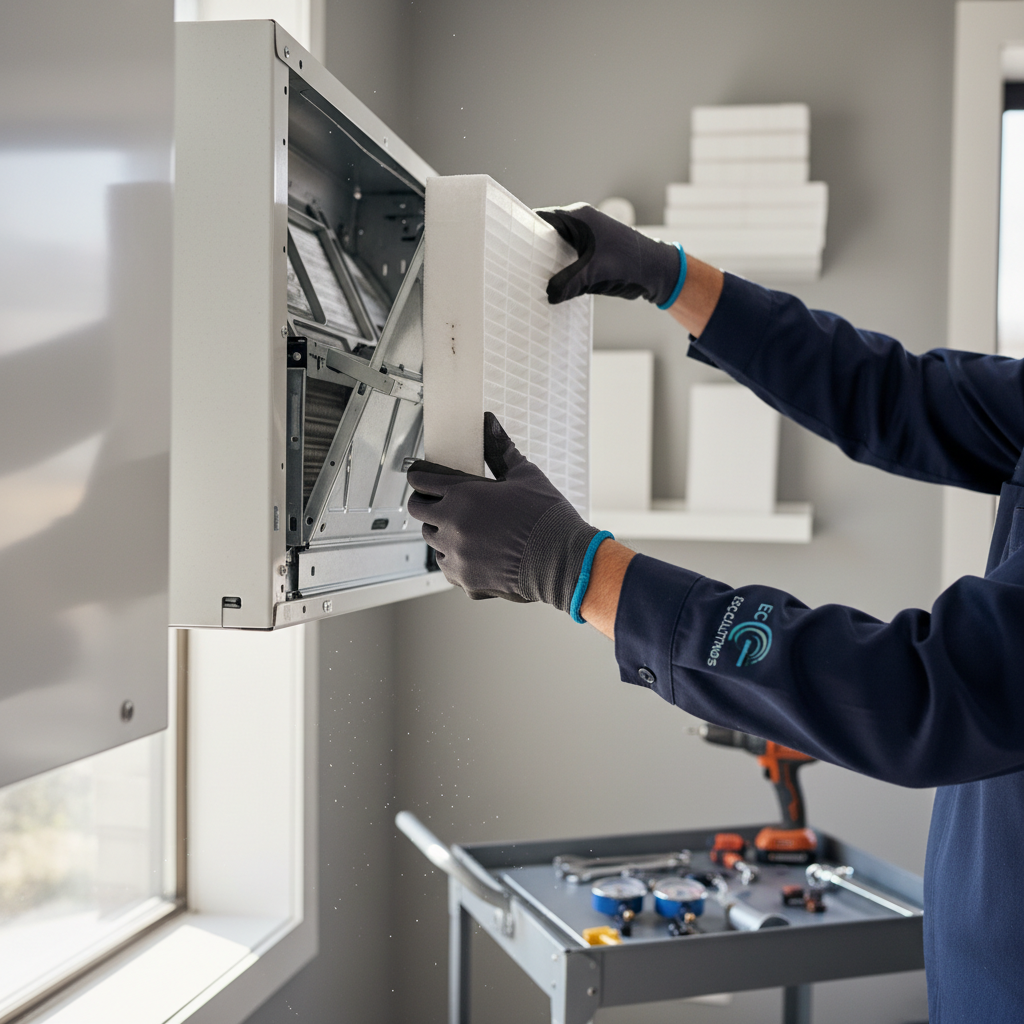
Replacing your air filter is the most impactful maintenance task you can perform independently. As the primary barrier against household dust and allergens, a clean filter ensures that air flows freely through the heat exchanger. When a filter becomes saturated with debris, the blower motor must work significantly harder to pull air through the restricted medium. This increased resistance causes the motor to draw more electricity and can eventually lead to the system tripping its high limit switch or overheating, a common cause for 24/7 emergency furnace repair calls during the height of winter.
Understanding the Minimum Efficiency Reporting Value (MERV) rating is essential for balancing air quality with system longevity. While filters are rated on a scale from 1 to 16, higher ratings are not always superior for every residential setup.
MERV Rating | Filtration Level | Best For |
|---|---|---|
1 to 4 | Low | Basic protection from large lint and dust particles. |
5 to 8 | Medium | Standard residential use; captures most household dust. |
11 to 13 | High | Captures pet dander and smoke; ideal for severe allergies. |
In many of the classic bungalows and older homes found throughout the northwest suburbs, using a MERV 11 to 13 filter can actually be counterproductive. These dense filters provide excellent filtration but may restrict airflow too much for an aging blower motor to handle comfortably. For most standard systems in our area, a MERV 8 filter typically offers a safe balance of protection and performance. During the peak of a cold Illinois January, make it a habit to inspect your filter every 30 days. If the surface is visibly gray or caked with debris, replace it immediately to keep your heating services running efficiently.
Tip 2: Clear the Path for Better Airflow and Efficiency
Maintaining proper airflow extends beyond the furnace cabinet; it involves every room in your home. Take a moment to walk through your house and inspect both supply vents and return air grilles. It is common for furniture, area rugs, or floor-length curtains to accidentally obstruct these openings. When a return grille is blocked, the system is starved for air. When a supply vent is covered, the heated air has nowhere to go, causing heat to build up within the ductwork.
One of the most persistent misconceptions homeowners have is that closing vents in unused guest rooms will save money on utility bills. In reality, residential HVAC systems are engineered to move a specific volume of air through a set amount of ducting. Closing vents increases the static pressure inside the system. This backpressure forces the blower motor to work harder and, more critically, causes the heat exchanger to run at higher temperatures than intended. Over time, this excessive heat can lead to a cracked heat exchanger, a serious failure that often necessitates 24/7 emergency furnace repair to protect your family from combustion gases.
Do not forget to step outside as well. Many high-efficiency furnaces in the northwest suburbs utilize PVC intake and exhaust pipes that exit through the side of the house. During the autumn months in Lake in the Hills, fallen leaves or even bird nests can easily clog these openings. A blocked exhaust pipe will trigger a safety shutoff, while a blocked intake prevents the system from firing at all. Including these exterior checks in your list of furnace tune up tips ensures that your heatingfunction at peak efficiency when the first freeze arrives.
Tip 3: Test Your Thermostat and Calibrate for Comfort
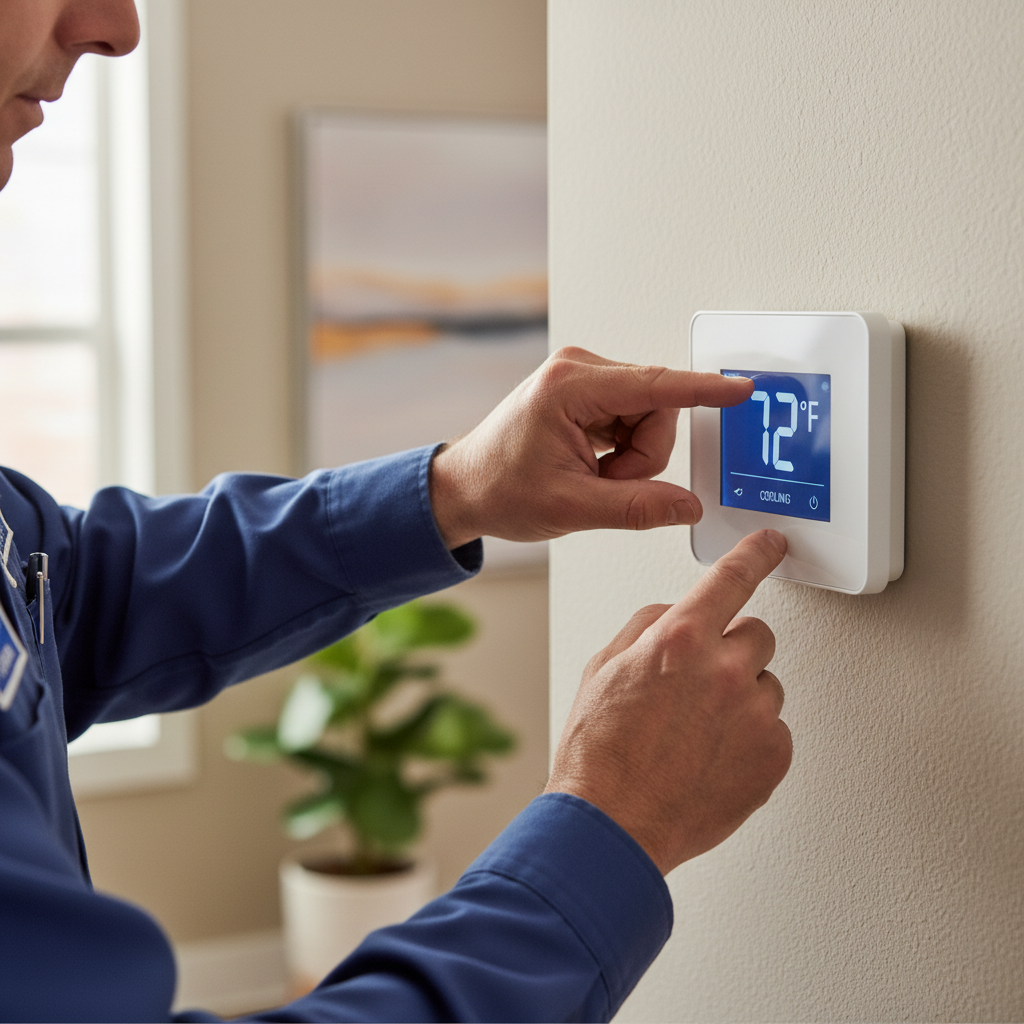
Before the first hard freeze hits Lake in the Hills, perform a dry run of your heating system to identify potential issues while parts and labor are still readily available. Switch your thermostat to the Heat setting and raise the target temperature at least five degrees above the current room temperature. You should hear the relay click followed by the sound of the inducer motor and the steady ignition of the burners. Within a few minutes, warm air should be flowing consistently from your supply vents. Listen closely for any rhythmic thumping, grinding, or high pitched squealing. These sounds often indicate a failing blower motor or a loose belt, issues that require professional heating service to prevent a total system lockout.
If your digital thermostat display is fading or flickering, replace the batteries immediately. Weak batteries can cause the thermostat to lose its connection to the furnace, leading to unnecessary 24/7 emergency furnace repair calls. For homeowners still using manual sliders, consider upgrading to a programmable or smart thermostat. The Chicagoland autumn is famous for 30 degree temperature swings between noon and midnight. A smart thermostat allows the system to adjust automatically to these fluctuations, ensuring you aren't wasting energy during a sunny afternoon while staying warm during a frosty night. Including this calibration in your furnace tune up tips checklist ensures the brain of your HVAC system is communicating correctly with the hardware in the basement.
Tip 4: Prioritize Safety with Carbon Monoxide and Vent Checks
Ensuring your thermostat is calibrated is only half the battle; ensuring your system is operating safely is the most critical of all furnace tune up tips. Gas furnaces are generally reliable, but they produce carbon monoxide (CO) as a byproduct of combustion. Because CO is colorless, odorless, and tasteless, it is impossible to detect without functioning technology. Begin your safety check by testing every carbon monoxide detector in your home. Replace the batteries regardless of their current charge to ensure they remain active throughout the long Illinois winter.
Next, perform a visual inspection of your burner or pilot light. A healthy furnace should produce a crisp, steady, blue flame. If you notice a flame that is flickering, lazy, or distinctly yellow, this is an immediate red flag. Yellow flames indicate incomplete combustion, which significantly increases the risk of carbon monoxide leaking into your living space. This situation requires professional to adjust the fuel to air ratio or inspect the heat exchanger for cracks.
Finally, stay alert for the smell of rotten eggs or sulfur. Natural gas is naturally odorless, so utility companies add a chemical called mercaptan to help you detect leaks. If you notice this scent, do not attempt to find the source or flip any light switches, as even a small spark can be dangerous. Evacuate the house immediately and call for 24/7 emergency furnace repair from a safe distance. Taking these precautions ensures your system is not only warm but safe for everyone inside.
Tip 5: Clean the Area Around Your Furnace Unit
Beyond the internal components, the physical environment surrounding your furnace directly impacts its performance and safety. Many Lake in the Hills homes utilize basements or cramped utility closets for HVAC equipment, where household clutter often accumulates over time. Furnaces require a clear zone of at least three feet to ensure proper combustion. Without this breathing room, the unit may struggle to draw in enough oxygen to burn fuel efficiently, leading to soot buildup and reduced heat output.
Strictly avoid storing flammable materials such as gasoline, paint thinners, or cleaning solvents in the same room as your furnace. Even seemingly harmless items like stacks of cardboard boxes or seasonal decorations can pose a fire hazard if they are too close to the heat source. Furthermore, a cluttered area promotes dust accumulation. When the furnace cycle begins, the intake can pull nearby dust into the cabinet, eventually coating sensitive components like the flame sensor and burners. Keeping this area swept and clear is one of the most effective furnace tune up tips to prevent the need for 24/7 emergency furnace repair during a cold snap. Maintaining a clean utility space ensures your remain safe and reliable all winter long.
When to Call J.D.S HVAC for a Professional Tune Up
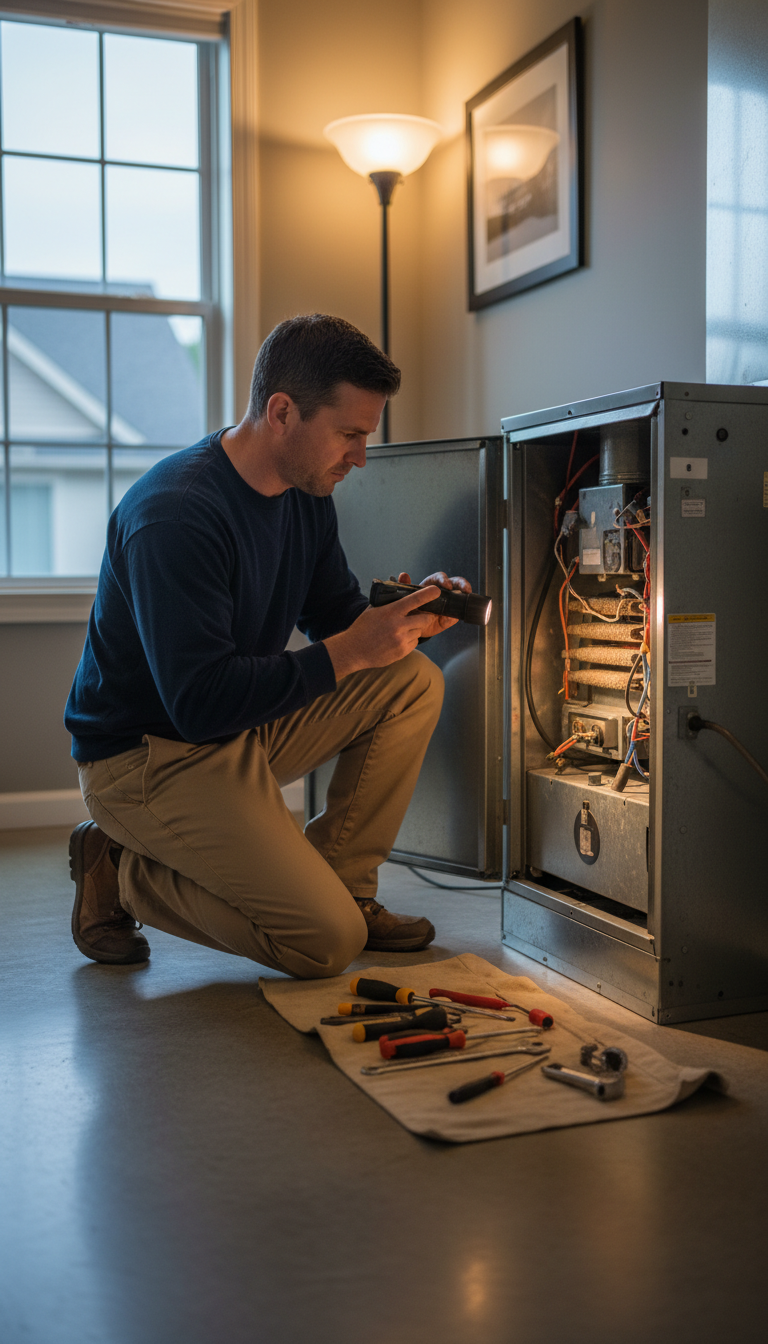
While basic furnace tune up tips empower homeowners to handle routine care, certain technical inspections require specialized diagnostic tools and training. A professional technician performs deep system checks that go beyond surface maintenance. At J.D.S HVAC, we use high resolution cameras to inspect the heat exchanger for hairline cracks, which are often invisible to the naked eye but can lead to dangerous carbon monoxide leaks. We also measure manifold gas pressure to ensure optimal combustion and clean the flame sensor, a sensitive component that frequently causes sudden system shutdowns when it becomes coated in carbon buildup.
Our team also handles the lubrication of moving parts like blower motor bearings to reduce mechanical friction and total electrical draw. These precise adjustments can extend the operational lifespan of your system by several years while significantly reducing the likelihood of needing 24/7 emergency furnace repair. For reliable and across the northwest suburbs, we provide the expertise necessary to handle the complex internal hardware that DIY efforts cannot reach. We remain available at any hour to ensure your family remains safe and warm.